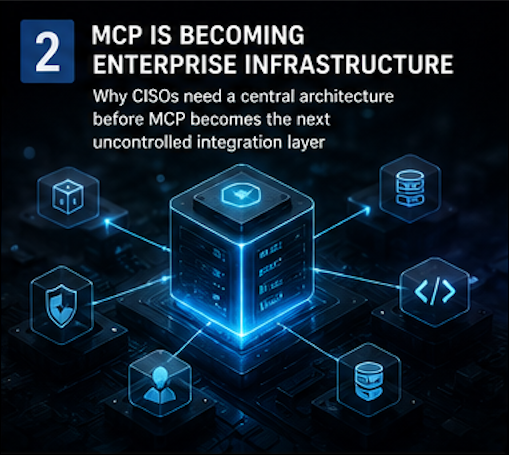
MCP Is Becoming Enterprise Infrastructure
MCP is becoming enterprise infrastructure. As AI agents gain access to tools, identities and business systems, CISOs must govern not just integration — but the authority flowing through it.
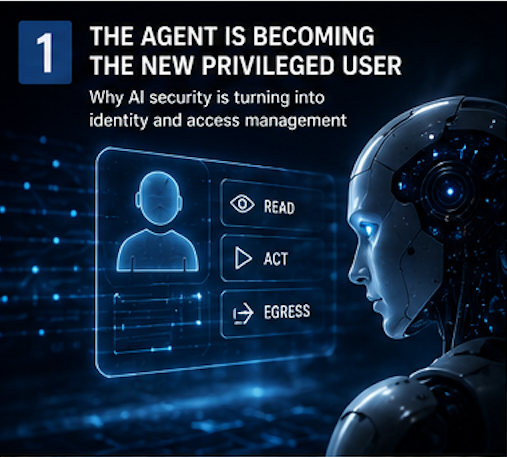
The Agent Is Becoming the New Privileged User
AI agents are becoming a new privileged identity class. The real security question is no longer what AI can know — but what it is authorized to do, through whose identity, and with what consequences.
MCP Is Becoming an Attacker’s Routing Layer
An AI agent’s real privilege extends far beyond its IAM permissions. MCP, managed identities and connected services create transitive authority paths that attackers can exploit—turning tool connectivity into a new routing layer for enterprise privilege.
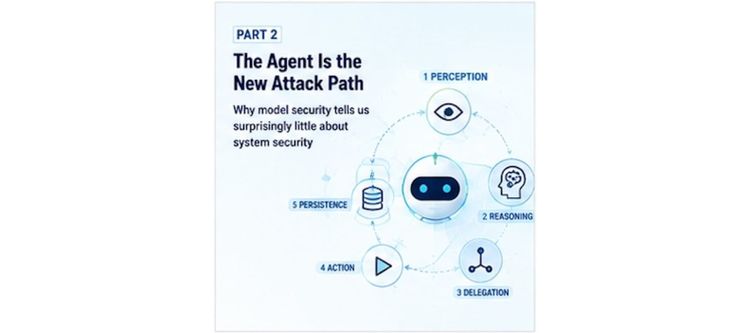
The Agent Is the New Attack Path
A safe model does not imply a safe agent. Agentic AI shifts the security problem from jailbreaks to authority: can an attacker make the system perform an authorized action for an unauthorized reason?
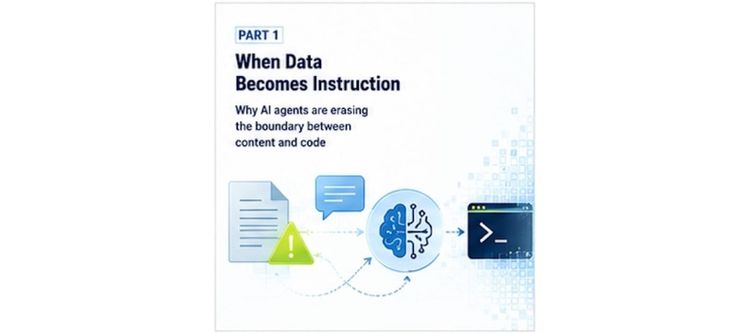
When Data Becomes Instruction
AI agents are erasing the boundary between data and instruction. DEF CON 34 shows why untrusted context can become an indirect control plane—and why CISOs must secure the entire path from meaning to authority.
The Hidden Door: Why Remote Maintenance Has Become the Most Dangerous Entry Point into Smart Buildings
Remote maintenance keeps modern buildings running—but it also creates one of the largest unmanaged attack surfaces. Trusted service connections, permanent VPNs and vendor access are rapidly becoming the preferred entry point for cyber-physical attacks.
Buildings Under Attack: Why Every CISO Must Prepare for Cyber-Physical Threats
Buildings are no longer passive infrastructure. They are connected cyber-physical systems that combine IT, OT, IoT and AI. This article introduces the emerging attack landscape every CISO should understand before smart buildings become the next major enterprise risk.