The CISO as Mentor: Why Cybersecurity Leadership Is Also Talent Architecture
By Eckhart Mehler for CISOsCISO — a perspective on cybersecurity leadership, governance and the decisions that determine whether organizations retain control.
Why Every Mature CISO Should Consider an External Security Advisory Board
By Eckhart Mehler for CISOsCISO — a perspective on cybersecurity leadership, governance and the decisions that determine whether organizations retain control.
The CISO as a Public Voice: Why Personal Brand Has Become a Governance Asset
By Eckhart Mehler for CISOsCISO — a perspective on cybersecurity leadership, governance and the decisions that determine whether organizations retain control.
🔮 The Evolving Role of the CISO in the Age of AI and Quantum Computing
By Eckhart Mehler for CISOsCISO — a perspective on cybersecurity leadership, governance and the decisions that determine whether organizations retain control.
What I’ve Always Wanted to Ask a CISO (But Never Dared to)
By Eckhart Mehler for CISOsCISO — a perspective on cybersecurity leadership, governance and the decisions that determine whether organizations retain control.
🔧 How Much Tech Should a CISO Know?
⚡Striking the Right Balance Between Management and Technical Depth.
By Eckhart Mehler for CISOsCISO — a perspective on cybersecurity leadership, governance
Who Owns Security When Everyone Is Accountable?
Security is no longer a department. It is a leadership mindset embedded in the bloodstream of governance.
By Eckhart Mehler
Security That Costs Millions — But Avoids Decisions
What if the real problem in information security is not control gaps ... but our inability to tolerate friction?
By Eckhart
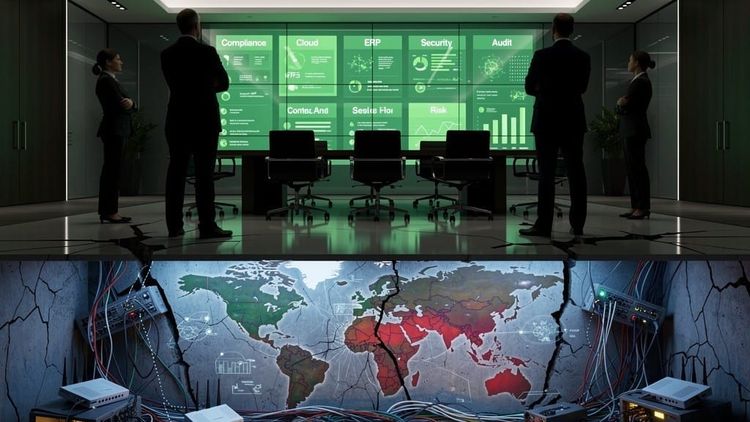
Cybersecurity Is No Longer About Whether We Are Secure — But Where We Are Already Losing Agency
A CISO Perspective on Geopolitics, Development, and Cybersecurity
By Eckhart Mehler for CISOsCISO — a perspective on cybersecurity leadership, governance and
CISO as Diplomat
The post-certification CISO is no longer only a control owner, but a diplomat at the executive table. This article explores how security leaders turn strategic friction into trust, capability, and resilient decision-making.